
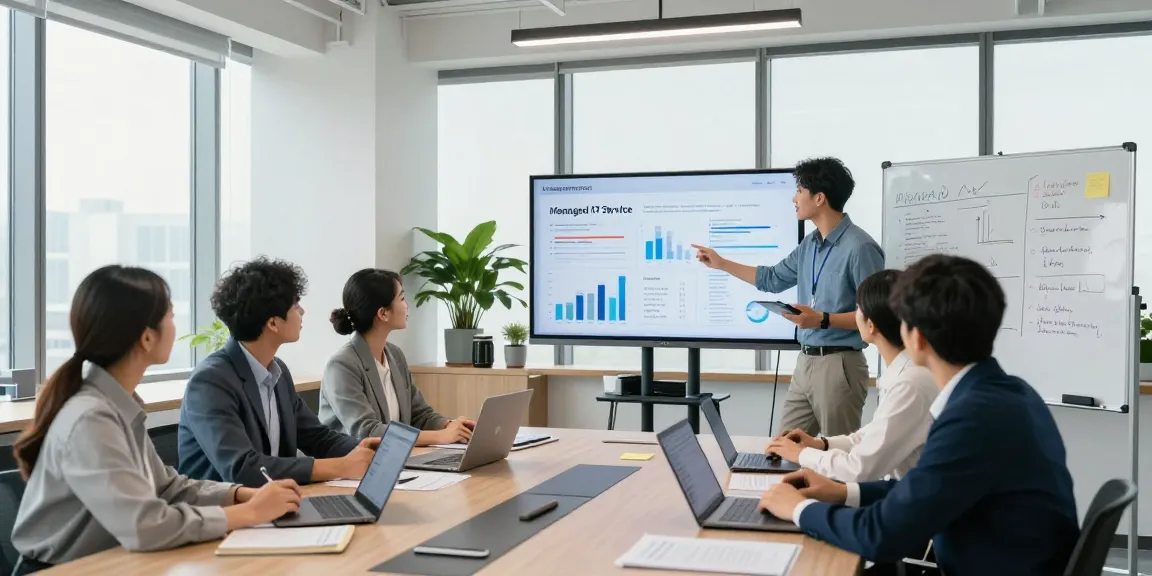
Understanding IT Business Support
In today’s fast-paced digital landscape, having robust IT support is a critical component for any business aiming to maintain efficiency and competitiveness. IT business support encompasses a wide range of services that ensure that your technology infrastructure runs smoothly and effectively. This support can significantly impact your operational performance, allowing you to focus on your core business functions while experts handle technical issues. When exploring options, it business support solutions can provide comprehensive insights into the types of assistance available for your specific needs.
What is IT Business Support?
IT business support refers to the services provided to businesses to assist with their information technology needs. This can range from basic helpdesk support to comprehensive managed IT services that cover everything from network management to cybersecurity. The primary goal of IT business support is to ensure that all technology-related issues are resolved quickly and efficiently, minimizing downtime and enhancing productivity.
Key Components of Effective IT Business Support
- Helpdesk Support: Provides users with immediate assistance and troubleshooting for technical issues.
- Proactive Monitoring: Uses software and tools to monitor systems in real-time, identifying potential issues before they escalate.
- Infrastructure Management: Covers the management of servers, networks, and storage solutions, ensuring that they operate optimally.
- Security Services: Involves implementing measures to protect systems and data from cyber threats.
- Backup and Recovery: Ensures that data is regularly backed up and can be recovered in the event of a failure.
The Importance of Proactive IT Monitoring
Proactive IT monitoring is essential for preventing disruptions to business operations. By continuously monitoring systems, businesses can identify and resolve issues before they result in significant downtime. This proactive approach not only helps in maintaining efficient operations but also reduces long-term costs associated with reactive repairs and lost productivity.
Choosing the Right IT Business Support Package
When selecting an IT business support package, it is crucial to assess the specific needs of your business and choose a service that aligns with your strategic goals. Different packages cater to varying business sizes and requirements, making it essential to evaluate your options carefully.
Types of IT Support Packages Available
There are several types of IT support packages available, including:
- Essential IT Support: Ideal for small businesses needing basic helpdesk support and monitoring.
- Professional RMM Support: Offers comprehensive monitoring and management services, perfect for mid-sized organizations.
- Enterprise Managed IT: For larger businesses with complex needs requiring dedicated support and advanced technology solutions.
Factors to Consider When Selecting a Provider
Choosing the right IT support provider involves several considerations:
- Experience: Assess the provider’s experience in your industry and look for case studies or testimonials that demonstrate their success.
- Response Times: Ensure they offer guaranteed service level agreements (SLAs) for critical issues.
- Services Offered: Evaluate the range of services provided to ensure they meet your current and future needs.
- Cost: Consider the total cost of the services and ensure they fit within your budget.
Cost Considerations for Small and Medium Enterprises
For many small and medium enterprises (SMEs), cost is a significant factor when choosing IT business support. The cost can vary based on the type of support package chosen, but it is essential to view IT support as an investment that can lead to greater efficiency and productivity. Typical pricing structures may include:
- Monthly subscriptions based on the number of users.
- Pay-as-you-go models for on-demand support.
- Bundled packages that combine various services at a discounted rate.
Implementing IT Business Support Strategies
Once you have selected an IT support package, implementing the strategy effectively is crucial for maximizing its benefits. This involves integrating the support into your business operations and ensuring all employees understand how to utilize the service.
Best Practices for Integration
Successful integration of IT support requires clear communication and training for staff members. Here are some best practices:
- Training Sessions: Conduct regular training to familiarize employees with the IT support services and encourage them to utilize available resources.
- Feedback Loops: Establish channels for employees to provide feedback on the support received, helping to identify areas for improvement.
- Regular Updates: Keep your team informed about any changes to the IT support services or escalation processes.
Addressing Common IT Support Challenges
IT support may come with its challenges, such as resistance to change or lack of communication. Addressing these challenges proactively can improve the effectiveness of your IT support:
- Resistance to Change: Communicate the benefits of new systems and involve employees in the planning process to gain buy-in.
- Communication Gaps: Foster open communication between IT support and all departments to ensure everyone is aligned on expectations.
Real-World Case Studies of Successful Implementation
Understanding how other businesses have successfully integrated IT support can provide valuable insights. For instance, a mid-sized manufacturing company implemented a managed IT service that reduced downtime by 30% through proactive monitoring and rapid response to incidents, leading to significantly increased productivity and cost savings.
The Role of Technology in IT Business Support
Technology plays a crucial role in enhancing IT support services. Utilizing the latest tools can improve the efficiency and effectiveness of support provided to businesses.
Emerging Tools for IT Management
Some emerging tools that can enhance IT management include:
- Remote Monitoring and Management (RMM): Software that allows IT teams to monitor systems remotely and address issues before they escalate.
- Artificial Intelligence: AI-driven chatbots can provide instant responses to common IT queries, freeing up human resources for more complex issues.
- Cloud Solutions: Cloud-based IT support solutions enable flexibility and scalability, allowing businesses to adapt to changing needs rapidly.
The Impact of Remote Monitoring Solutions
Remote monitoring solutions have transformed IT support, allowing technicians to detect issues in real-time and often resolve them before the client is even aware of them. This not only enhances operational efficiency but also builds trust between the service provider and the client.
Future Trends in IT Support Technology for 2026
As technology continues to evolve, the future of IT support looks promising with trends such as:
- Increased Automation: Automation in IT support will streamline processes and reduce human error.
- Enhanced Cybersecurity Measures: As cyber threats become more sophisticated, IT support will increasingly focus on advanced security strategies.
- Integration of AI: AI and machine learning will play a significant role in predictive analysis, allowing businesses to anticipate IT challenges before they arise.
Maximizing Efficiency with IT Business Support
To fully realize the benefits of IT business support, businesses need to measure and improve their performance continuously. This can be achieved by setting clear goals and regularly reviewing progress against these benchmarks.
Key Performance Indicators to Measure Success
Establishing key performance indicators (KPIs) helps businesses track the effectiveness of their IT support services. Common KPIs include:
- Response Time: Time taken to respond to and resolve issues.
- System Downtime: Frequency and duration of system outages.
- User Satisfaction: Feedback from employees on the effectiveness of IT support.
Continuous Improvement Processes in IT Support
Continuous improvement processes involve regularly assessing and refining IT support strategies. This could include:
- Regular audits of IT performance.
- Implementing user feedback to enhance services.
- Staying abreast of technological advancements to incorporate into support strategies.
Frequently Asked Questions Regarding IT Support
IT support can be complex, and potential clients often have several questions. Here are some common inquiries:
- What types of businesses benefit from IT support? Almost all businesses can benefit, especially those that rely heavily on technology for operations.
- How do I know if I need IT support? If your team frequently faces technical challenges that disrupt productivity, it may be time to consider IT support.
- What should I look for in an IT support provider? Look for experience, range of services, and a reputation for reliability and responsiveness.


