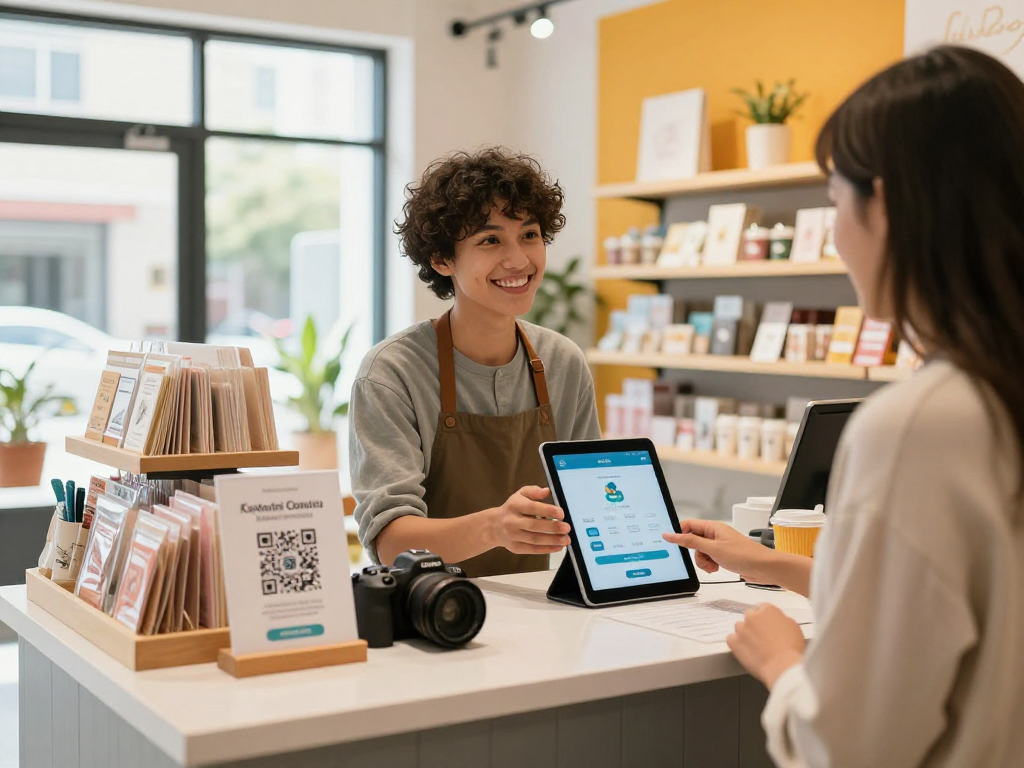
Understanding the Importance of a Loyalty App
In today's competitive business landscape, small businesses must leverage every advantage to build lasting relationships with customers. A loyalty app serves as a powerful tool for engaging clientele and driving repeat visits, which are crucial for sustained growth. With the continuous rise of digital solutions, choosing the right loyalty app can transform customer interactions and enhance your brand presence. Among the various options available, the loyalty app by BonusQR stands out for its user-friendliness and robust features tailored to small businesses.
Why Every Small Business Needs a Loyalty App
A loyalty app is essential for small businesses looking to enhance customer retention. In an age where consumers have endless choices, fostering loyalty becomes paramount. By providing a seamless way to reward customers, businesses can create an inviting atmosphere that encourages return visits. Personalized experiences offered through loyalty programs can significantly impact customer satisfaction, leading to increased sales and brand loyalty over time.
Key Benefits of Implementing a Loyalty Program
- Increased Customer Retention: Loyalty programs encourage customers to return by providing tangible rewards for their continued patronage.
- Enhanced Customer Insights: A loyalty app allows businesses to gather data on purchasing habits, enabling more effective marketing strategies and personalized offerings.
- Competitive Edge: Differentiating your business through a well-structured loyalty program can attract new customers while retaining existing ones.
- Cost-Effective Marketing: Loyalty programs often have lower costs associated with customer acquisition compared to traditional advertising methods.
How Loyalty Apps Can Drive Customer Retention
Loyalty apps are designed to track customer engagement, making it easier to reward and retain clients. By offering points for spending, exclusive discounts, and personalized promotions, businesses can effectively foster a deeper connection with their customer base. The ease of digital tracking means customers are less likely to forget about their rewards, which can encourage repeat business.
Types of Loyalty Programs Offered
Point-Based Loyalty Rewards
Point-based systems are among the most common forms of loyalty programs. Customers earn points based on their purchases, which can be redeemed for discounts or free items. This straightforward approach is effective as it encourages customers to accumulate points, driving frequent visits. For example, a coffee shop might offer a free coffee after a customer earns ten points.
Cashback and Discounts: Choosing the Right Model
Cashback programs offer customers a percentage of their spend back, which can be particularly attractive for those who value immediate savings. Alternatively, fixed discounts can provide a straightforward incentive, such as 20% off the next purchase after a certain threshold. Choosing the right model depends on your customer demographics and business objectives.
Exclusive Offers and Special Occasion Promotions
Incorporating special occasion promotions into a loyalty program can significantly enhance customer engagement. Offering exclusive deals on birthdays or anniversaries creates emotional connections and incentivizes customers to celebrate those moments with your business. This not only increases loyalty but can also drive social sharing and new customer referrals.
Setting Up Your Loyalty App: A Step-by-Step Guide
Easy Onboarding Process for Business Owners
Setting up a loyalty app should be a hassle-free experience. BonusQR prioritizes ease of use with its simple onboarding process, allowing business owners to get started in minutes. This streamlined setup ensures that you can focus on what truly matters—building relationships with your customers.
Customizing Your Program to Fit Customer Needs
Customization is key when it comes to loyalty programs. Businesses can tailor their offerings based on customer preferences, allowing for a more personalized experience. From choosing the types of rewards to determining how points are earned, adaptability is crucial for meeting customer expectations.
Integrating with Existing Business Systems
Integrating your loyalty app with existing business systems can enhance functionality and provide more comprehensive insights. For example, connecting the app with your point-of-sale system can streamline processes, ensuring that customers earn rewards seamlessly during their transactions.
Maximizing Engagement through Effective Marketing
Leveraging Push Notifications and Email Marketing
Effective marketing strategies such as push notifications and email marketing are essential for keeping customers engaged with your loyalty program. Sending timely updates about rewards, promotions, and personalized offers can significantly increase participation and retention rates.
Creating Targeted Promotions for Special Events
Special events provide excellent opportunities to drive traffic through targeted promotions. By tailoring your marketing efforts around holidays or seasonal happenings, you can effectively engage customers and boost sales. Implementing themed promotions can resonate well with your audience.
Encouraging Referrals through Loyalty Programs
Incorporating referral incentives into your loyalty program can amplify your marketing reach. Offering rewards for customers who refer friends or family can effectively bring in new clients while simultaneously rewarding loyal patrons for their trust in your brand.
Measuring Success: Tracking Key Performance Indicators
Understanding Customer Analytics and Insights
Data-driven decision-making is essential for maximizing the effectiveness of your loyalty program. By analyzing customer data, businesses can identify trends, preferences, and areas for improvement. Utilizing comprehensive analytics tools will enable you to tailor your approach and better meet customer needs.
Evaluating the Impact of Your Loyalty App
To assess the success of your loyalty app, it is important to track key performance indicators such as customer retention rates, engagement levels, and sales growth attributed to the program. Regular evaluations will inform necessary adjustments, ensuring your program remains effective over time.
Future Trends: The Next Big Thing in Loyalty Programs
As technology continues to evolve, so do loyalty programs. Future trends may include gamification, where businesses can introduce games or challenges that reward customers for engagement. Additionally, integrating AI to provide personalized recommendations or rewards can further enhance the user experience.
What are the best features of a loyalty app?
A successful loyalty app should include features such as easy account management, a clear rewards system, personalized offers, and seamless integration with existing business processes. Ensuring that the app is user-friendly will enhance customer satisfaction and program participation.
How can I measure the success of my loyalty program?
Success can be measured through various metrics, including customer retention rates, average spend per visit, and participation levels in the loyalty program. Analyzing these metrics will provide insights into how well your program is performing and where improvements are needed.
Can I customize rewards for special occasions?
Yes, most loyalty apps allow for customization of rewards based on special occasions. This flexibility enables businesses to offer meaningful incentives that can resonate personally with customers, thereby enhancing emotional loyalty.
What types of loyalty programs are most popular in 2026?
As of 2026, point-based systems and cashback programs remain dominant. However, there is a growing trend toward experiential rewards, such as exclusive access to events or personalized experiences, which cater to customer desires for unique and memorable engagements.
How do loyalty apps enhance customer retention?
Loyalty apps enhance retention by offering structured and meaningful rewards that incentivize repeat visits. For more information, loyalty app offers valuable insights. By facilitating direct communication, tracking customer preferences, and providing personalized offers, these apps create a sense of belonging and appreciation among customers.