
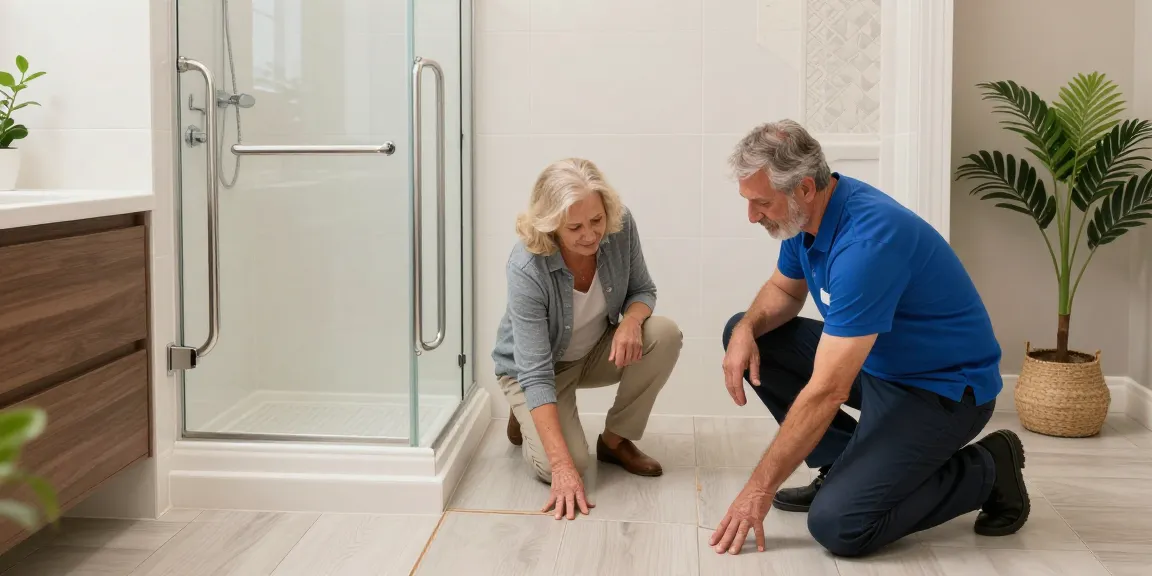
Understanding the Importance of 安家 for Seniors
Creating a safe and comfortable living environment for seniors is not just a necessity; it is a fundamental right. The concept of 安家 (home safety) emphasizes the importance of designing spaces that cater to the unique needs of elderly individuals, allowing them to maintain their independence and dignity. With recent government initiatives increasing funding for such projects, now is the perfect time for families to invest in making their homes safer.
When exploring options, 安家 provides comprehensive insights and solutions tailored to the needs of seniors, ensuring that each renovation enhances both safety and comfort.
Why 安家 Matters: Safety and Independence
The majority of accidents involving seniors occur in homes, particularly in high-risk areas such as bathrooms and kitchens. Ensuring that these spaces are safe can significantly reduce the likelihood of falls and injuries, which are leading causes of hospitalization among the elderly. A safe home fosters independence, allowing seniors to carry out daily activities without fear of accidents.
Moreover, adapting living spaces to meet the needs of seniors can significantly improve their quality of life. It allows them to age in place, which is often their preference, thus avoiding the emotional distress typically associated with moving to assisted living facilities.
Common Risks in Bathrooms for Elderly
Bathrooms are among the most hazardous spaces for seniors, with many accidents stemming from slippery floors, low visibility, and the difficulty of entering and exiting bathtubs. Specific risks include:
- Slippery Surfaces: Wet floors can lead to severe slips and falls.
- Inaccessible Fixtures: Traditional bathtubs and toilets may be difficult for seniors to use, especially for those with mobility issues.
- Lack of Support: Absence of grab bars or handrails can increase the risk of losing balance.
- Poor Lighting: Inadequate lighting can lead to missteps due to diminished visibility.
Addressing these risks through thoughtful renovations can create a safer bathing experience and instill confidence in seniors as they navigate their homes.
Government Support for 安家 Initiatives
In recognition of the growing need for enhanced home safety for seniors, governments have begun to offer substantial grants and funding programs. For instance, recent adjustments have raised funding for home safety renovations from HK$40,000 to HK$80,000. This financial support can be utilized for projects aimed at improving accessibility and security, especially in bathrooms and kitchens, which are often the focal points of concern.
Families are encouraged to explore these government assistance programs and take advantage of the financial resources available to ensure their loved ones can age safely in their homes. Consulting with professionals in the field can also help navigate the application process and ensure compliance with funding stipulations.
Key Features for a Safe Bathroom Renovation
To effectively transform a bathroom into a senior-friendly space, several key features must be incorporated into the renovation plan. These elements not only enhance safety but also improve usability.
Installation of Grab Bars and Handrails
One of the most critical safety features is the installation of grab bars and handrails. These fixtures provide essential support and stability for seniors, particularly when entering or exiting the shower or tub. It’s crucial to install them at appropriate heights and in locations that cater to the specific needs of the individual.
Choosing Slip-Resistant Flooring Options
Selecting the right flooring is paramount in enhancing safety. Slip-resistant vinyl, tile, and rubber flooring can significantly reduce the risk of falls. Additionally, considering textured surfaces can provide seniors with better traction, especially when the floor is wet.
Designing Walk-In Showers for Ease of Use
Converting a traditional bathtub to a walk-in shower can greatly improve accessibility. Walk-in showers should feature low or no thresholds, anti-slip flooring, and built-in seating to accommodate those with mobility challenges. Incorporating handheld showerheads and adjustable shower controls can further enhance usability, ensuring that seniors can bathe safely and independently.
Steps to Applying for Government Funding
Applying for government funding can seem daunting, but understanding the process can significantly ease the burden. Following a structured approach can ensure that all necessary documentation is prepared and submitted properly.
Navigating the Application Process
The first step in applying for government funds is to ensure that you are aware of the specific programs available in your region. Many municipalities offer resources to assist families in understanding the application procedure. It’s also advisable to engage with consultants who are experienced in this field to help streamline the process.
Eligibility Criteria for Funding
Typically, eligibility for funding is determined by various factors, including income level, age, and the specific needs of the applicant. It’s essential to review these criteria carefully to ensure that you meet the necessary requirements before submitting an application.
Documentation Needed for Approval
Gathering the right documentation is crucial for a successful application. Commonly required documents include proof of income, identification, and detailed project specifications. Providing comprehensive and accurate information will facilitate the approval process, reducing delays and improving chances of funding.
Creating a Comprehensive Home Safety Assessment
A thorough home safety assessment is vital in identifying potential hazards and deficiencies that may pose risks to seniors. By proactively addressing these issues, families can ensure a safer living environment.
Conducting a Detailed Home Evaluation
A detailed evaluation involves assessing all areas of the home, focusing specifically on high-risk zones such as bathrooms, stairways, and kitchens. Professional assessments often include a checklist of potential hazards, which can guide necessary modifications and renovations.
Identifying Potential Hazards in the Home
During the assessment, pay close attention to common danger areas such as:
- Loose rugs and carpets that may cause trip hazards.
- Poorly lit staircases and hallways.
- Inaccessible storage spaces that require seniors to stretch or reach dangerously.
Identifying and addressing these hazards proactively can lead to a safer living environment.
Recommendations for Safety Modifications
Once hazards have been identified, creating a list of recommended modifications can be beneficial. This can range from installing grab bars to rearranging furniture for better accessibility. Professional advice from occupational therapists can also aid in tailoring these recommendations to meet the specific needs of seniors.
Future Trends in Home Safety and Accessibility
As society progresses, innovations in technology and design continue to shape the landscape of home safety and accessibility. Understanding these trends will better equip families to prepare their homes for the future.
Innovations in Elderly Care Technology
The rise of smart home technology is revolutionizing how seniors can manage their environments. From automated lighting to fall detection systems, these innovations enhance safety and provide peace of mind for caregivers. Adopting these technologies can significantly improve the home environment for elderly individuals.
Predictions for Legislative Changes in 2026
Looking ahead, it is anticipated that there will be further enhancements to funding and support programs aimed at improving home safety for seniors. As awareness of aging populations increases, lawmakers are likely to prioritize legislation that addresses accessibility and safety in residential areas.
Community Initiatives for Enhanced 安家 Solutions
Community involvement plays a critical role in promoting 安家 solutions. Local initiatives aimed at educating families about home safety and available resources can foster a supportive environment that empowers families to take necessary actions. Engaging with local organizations can provide additional support as families work to enhance the safety of their homes.


