Understanding Astaxanthin Antioxidant Power
In the quest for optimal health and wellness, the word "antioxidant" often dominates discussions centered around nutrition and supplementation. Among the plethora of antioxidants available, astaxanthin stands out as a powerful contender. This unique carotenoid, sourced predominantly from certain microalgae and seafood, offers an extensive range of health benefits. To truly appreciate the astaxanthin antioxidant power, it's essential to delve into its attributes, benefits, and best practices for consumption.
What is Astaxanthin?
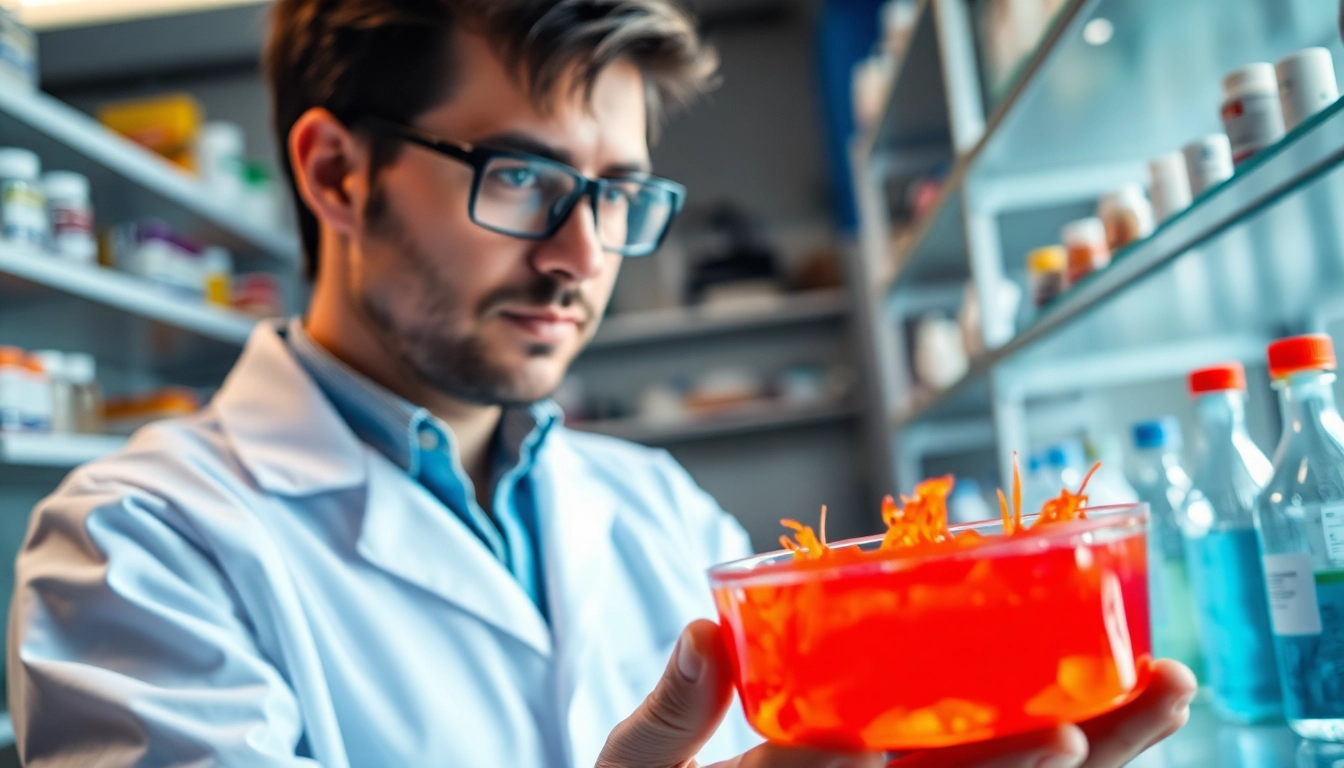
Astaxanthin is a red-orange pigment, classified as a carotenoid, primarily found in microalgae, shrimp, crabs, and salmon. Unlike many carotenoids, astaxanthin is known for its exceptional antioxidant properties, capable of neutralizing free radicals that contribute to oxidative stress. This makes it a popular choice among health enthusiasts looking to enhance their overall well-being. It’s often lauded for its ability to combat inflammation and support various bodily functions.
The Science Behind Antioxidants
Antioxidants are compounds that protect the body from oxidative stress—a natural process resulting from the body’s metabolic functions, exposure to environmental pollutants, and UV radiation. When oxygen interacts with certain molecules, it produces free radicals, which can damage cellular structures, including DNA. This cellular damage is linked to numerous health issues, including cardiovascular disease and cancer. Astaxanthin's unique molecular structure allows it to effectively scavenge these harmful free radicals, thus providing significant protection at cellular levels.
Sources of Astaxanthin
The primary natural source of astaxanthin is the microalga Haematococcus pluvialis, which is responsible for its vibrant pigment. This microalga produces astaxanthin as a protective response against environmental stressors. Other sources include krill, shrimp, salmon, and certain types of algae in the marine environment. For individuals seeking to boost their astaxanthin intake, both food sources and supplements are widely available. The bioavailability of astaxanthin varies based on its source; for instance, taking it in supplement form often enhances absorption and effectiveness.
Health Benefits of Astaxanthin Antioxidant Power
Improving Skin Health
One of the most remarkable health benefits of astaxanthin is its impact on skin health. Studies have indicated that astaxanthin can reduce the appearance of fine lines and wrinkles while improving skin elasticity and hydration. Its ability to combat oxidative stress makes it a natural ally against skin aging processes. By working at the cellular level, astaxanthin can enhance the skin's resilience against UV radiation, thus reducing the risk of sunburn and promoting an even skin tone. Many skincare brands have started incorporating this powerful antioxidant into their formulations, showcasing its efficacy in promoting youthful skin.
Boosting Immune Function
Astaxanthin plays a crucial role in enhancing immune function. By optimizing the performance of immune cells, this antioxidant can help the body fend off infections more effectively. Research has suggested that astaxanthin enhances the proliferation of immune cells, enhances their effectiveness, and supports overall immune response. Nutritionally, a strong immune system translates to better resilience against illnesses, making astaxanthin a valuable addition for those wishing to maintain a healthy lifestyle, particularly during cold and flu seasons.
Enhancing Athletic Performance
Astaxanthin is becoming increasingly popular among athletes and fitness enthusiasts due to its ability to improve endurance and recovery. Studies have shown that this carotenoid can reduce muscle fatigue during exercise and enhance post-exercise recovery. By reducing oxidative stress during strenuous activities, astaxanthin aids in muscle recovery while potentially lowering the risk of injury. Not only does it help to buffer the oxidative damage from intense physical activity, but it also supports performance by potentially improving stamina and speed.
How to Incorporate Astaxanthin into Your Diet
Supplement Options Available
There are various supplement options available for those looking to incorporate astaxanthin into their diet. Offered in capsules, soft gels, and liquid forms, astaxanthin supplements vary widely in potency and formulation. When selecting a supplement, it’s crucial to choose a reputable brand that can provide third-party testing to ensure product quality and purity. Typical dosages range from 4 to 12 mg per day, depending on individual health needs and goals. It's advisable to start with a low dose to gauge tolerance before increasing to higher amounts.
Natural Food Sources
For those preferring natural sources, incorporating seafood into their diet can significantly boost astaxanthin intake. Salmon, especially wild-caught species, is one of the richest sources of astaxanthin. Other options include shrimp and crab, which also offer a flavorful way to enjoy this antioxidant. Additionally, microalgae supplements derived from Haematococcus pluvialis are available for individuals seeking plant-based sources of astaxanthin. Including a variety of these foods can help promote overall health while enjoying delicious meals.
Dosage Recommendations
Determining the appropriate dosage of astaxanthin can depend on several factors, including individual health status, dietary habits, and specific health goals. General recommendations suggest a daily intake ranging from 4 to 12 mg. For specific health concerns or performance enhancement, dosages may increase with medical supervision. It’s important to adhere to manufacturer guidelines and consult a healthcare professional if unsure about the correct dosage for individual needs.
Potential Side Effects and Considerations
Understanding Safe Consumption
While astaxanthin is generally considered safe for most individuals, some may experience mild side effects, such as stomach discomfort or skin discoloration when taking high doses. Given astaxanthin’s potent antioxidant properties, it can interact with certain medications or affect individuals with specific health conditions. It’s essential to assess personal tolerance levels when beginning supplementation and to stay within recommended dosages.
Who Should Avoid Astaxanthin?
Individuals who are allergic to seafood or have a hypersensitivity to carotenoids should exercise caution with astaxanthin supplementation, particularly in the form of natural foods. Pregnant and breastfeeding women should consult healthcare professionals before starting any new supplement regimen. Furthermore, those who are on anticoagulant medications or have bleeding disorders should also seek medical advice before incorporating astaxanthin into their diets, as it may affect blood clotting mechanisms.
Discussing with Health Professionals
Before starting any new supplement, especially one as potent as astaxanthin, it’s prudent to discuss options with a healthcare provider. A thorough consultation can help ensure that the supplement aligns with individual health goals, medications, and overall dietary needs. Health professionals can offer personalized insights and adjust recommendations based on specific health conditions, ultimately leading to a more tailored approach to incorporating astaxanthin into daily routines.
Frequently Asked Questions about Astaxanthin Antioxidant Power
What is the difference between astaxanthin and other antioxidants?
Astaxanthin is structurally unique as it possesses a dual polar and non-polar end, allowing it to work effectively within cell membranes. This feature lets it provide superior protection compared to many other antioxidants, enabling it to target free radicals in and outside cells simultaneously.
How long does it take to see benefits from astaxanthin?
Results can vary significantly among individuals, but many users report noticeable skin improvements or enhanced endurance within 2-3 weeks of consistent astaxanthin supplementation. Full benefits often become apparent over several months of use.
Can astaxanthin improve heart health?
Yes, astaxanthin may support heart health by reducing oxidative stress and inflammation in the cardiovascular system, improving lipid profiles, and promoting healthy blood flow, thus potentially lowering the risk of heart disease.
Is astaxanthin safe for pregnant women?
While astaxanthin is typically considered safe, pregnant and breastfeeding women should consult healthcare providers before starting supplementation, as individual responses can vary, and safety has not been extensively studied in this population.
Where can I find high-quality astaxanthin supplements?
High-quality astaxanthin supplements can be found in health food stores, specialty supplement retailers, or online platforms that offer reputable brands. Look for products that provide third-party testing and clear sourcing of ingredients.