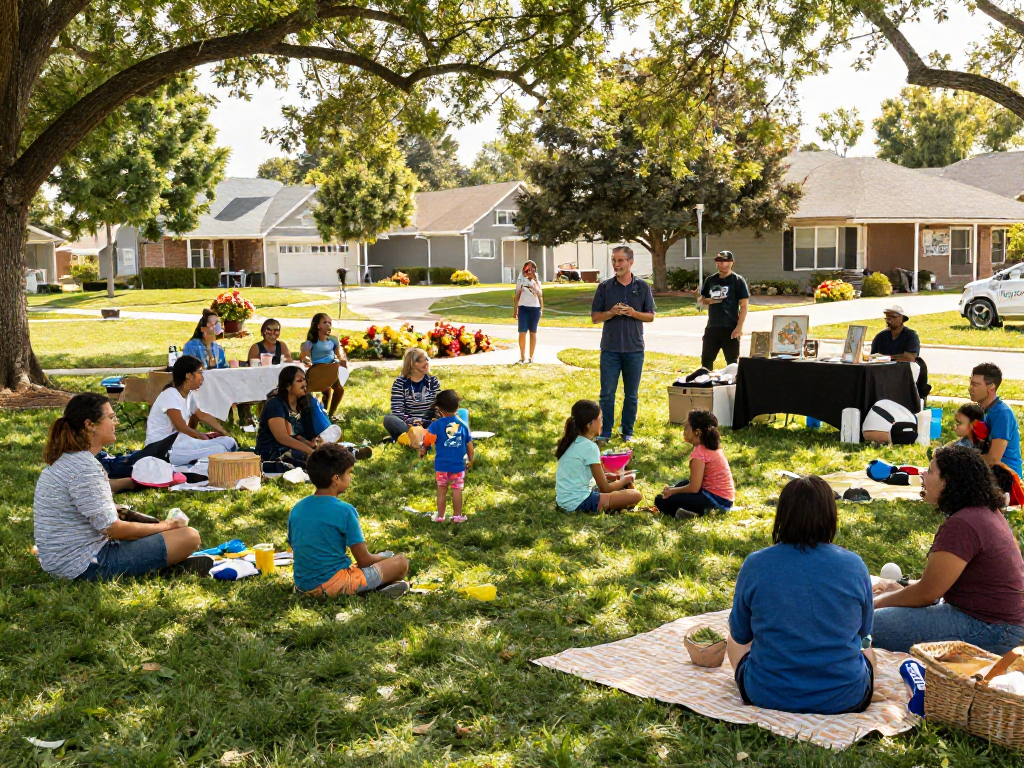
The Importance of Community Engagement in 2026
As we navigate through the evolving landscape of society in 2026, the significance of community engagement intensifies. It serves as the backbone for thriving neighborhoods, fostering connections, and ensures that every voice is heard. Community engagement is not merely a buzzword; it’s a fundamental practice that aids in the development of social, cultural, and economic frameworks within local areas. By actively participating in community initiatives, residents can directly influence the policies and programs that affect their daily lives, thereby cultivating a more robust and responsive environment. When exploring options, https://neam.org.uk provides comprehensive insights into effective community strategies.
Why Community Engagement Matters
Community engagement is vital for several reasons. Firstly, it creates a platform for residents to express their opinions and concerns, enabling them to play an active role in shaping their community. This participatory approach not only empowers individuals but also fosters a sense of belonging and ownership among residents. Secondly, it enhances local governance by allowing officials to gather valuable feedback from constituents, aligning their policies with the actual needs and priorities of the community. Lastly, engaged communities tend to be more resilient, demonstrating a capacity to adapt to challenges and collaborate on innovative solutions.
Key Benefits for Local Residents
- Increased Civic Responsibility: When individuals get involved, they develop a stronger sense of civic duty, which leads to increased voter turnout and participation in local governance.
- Improved Quality of Life: Engagement initiatives often lead to better local services, public safety, and enhancements in community infrastructure.
- Stronger Social Networks: Active participation helps to forge connections among residents, fostering a supportive environment that can aid in times of need.
Understanding Community Needs and Goals
Understanding the diverse needs of community members is paramount. This involves conducting thorough assessments through surveys, focus groups, and public forums. By identifying key issues such as affordable housing, healthcare access, or education quality, local leaders can set actionable goals that reflect the community's aspirations. Listening to residents not only uncovers these needs but also builds trust and credibility between community leaders and the public.
Challenges in Community Engagement
Common Obstacles to Participation
Despite the recognized importance of community engagement, several challenges hinder effective participation. Time constraints are a significant barrier, particularly for working individuals who may struggle to attend meetings or events. Additionally, a lack of awareness about engagement opportunities can lead to low turnout, as residents may not know how or where they can contribute. Moreover, cultural and language differences may create exclusion, preventing certain groups from participating in discussions that affect them.
Addressing Misconceptions About Engagement
Misconceptions about community engagement can also create barriers. Many individuals may view engagement as ineffective or fear that their input will not lead to genuine change. Addressing these misconceptions is crucial. Community leaders need to communicate the successes of previous initiatives and demonstrate how resident feedback has shaped local policies. Transparency in decision-making processes and outcomes can help foster trust and encourage broader participation.
Potential Barriers to Access and Inclusion
While engagement is essential, it must be accessible to everyone. Barriers such as physical access to venues, digital divides, and socioeconomic disparities can alienate vulnerable populations. To combat these issues, communities should consider hosting events in diverse locations, providing transportation assistance, and ensuring that virtual engagement platforms are user-friendly. Additionally, providing multilingual resources can enhance accessibility for non-native speakers and engage a broader audience.
Innovative Strategies for Effective Engagement
Utilizing Technology for Engagement
Technology plays a pivotal role in modern community engagement. Social media platforms, mobile applications, and online surveys can significantly expand the reach of community initiatives. By leveraging these tools, organizations can facilitate real-time communication and feedback collection, allowing for more dynamic interactions. Furthermore, virtual town halls can be a powerful way to engage a wider audience without the constraints of physical attendance.
Building Partnerships with Local Organizations
Collaborating with local organizations can amplify the impact of community engagement efforts. Schools, non-profits, and faith-based organizations often have established connections within the community and can assist in outreach and participation. By forming alliances, communities can pool resources, share knowledge, and create more comprehensive programs that address the multifaceted needs of residents.
Creative Programming Ideas for Community Events
Engagement doesn’t have to be limited to formal meetings; creative programming can attract participants. Organizing community potlucks, cultural festivals, or neighborhood clean-up events can draw people in while fostering a sense of camaraderie. Additionally, workshops that focus on skills development or health and wellness can provide practical benefits, further encouraging participation.
Real-World Examples of Successful Engagement
Case Studies from Various Neighborhoods
Examining successful community engagement initiatives can provide valuable lessons and inspire new approaches. For instance, a neighborhood in Portland, Oregon, launched a participatory budgeting program, allowing residents to vote on how to allocate a portion of the city budget. This initiative not only empowered residents but also led to the development of community-led projects that addressed local needs directly.
Lessons Learned from Community Projects
One poignant lesson learned from community projects is the importance of adaptability. A case in Chicago involved a community garden initiative that faced challenges with maintenance and participation. By soliciting feedback from participants, leaders implemented a shared responsibility model that encouraged residents to take ownership of the garden. This adjustment ultimately led to increased engagement and the garden's success.
Highlighting Impactful Initiatives
Several impactful initiatives demonstrate the potential of community engagement. For example, the "Little Free Library" movement has inspired neighborhoods across the globe to create informal book-sharing stations. This simple act of promoting literacy and community interaction has had profound effects on local engagement and fostering connections among residents.
Future Trends in Community Engagement by 2026
Emerging Technologies Shaping Engagement
As we look toward 2026, emerging technologies will continue to shape how communities engage with one another. Artificial intelligence and data analytics can help local governments identify trends and assess community needs more effectively. Blockchain technology may also play a role in increasing transparency in community projects and funding, thereby fostering trust among residents.
Predicting Changes in Community Dynamics
Community dynamics are expected to evolve due to demographic shifts and the increasing importance of sustainability. Younger generations are prioritizing eco-friendly practices, which could lead to new forms of engagement centered around environmental stewardship. This shift may encourage more collaborative efforts between communities and local governments to address climate change and promote sustainability initiatives.
Expert Insights on Future Strategies
Experts predict that successful community engagement in the coming years will hinge on a commitment to inclusivity, transparency, and responsiveness. Engaging marginalized groups and ensuring that all voices are heard will be crucial to creating equitable and effective programs. Moreover, embracing diversity in engagement strategies will reflect the varied interests and backgrounds of community members, ultimately leading to more holistic and impactful outcomes.
What are some effective ways to engage community members?
Effective engagement can take many forms, including town hall meetings, community surveys, and participatory budgeting. Creative events like cultural festivals or neighborhood clean-ups can also attract diverse participation by fostering a sense of belonging and community spirit.
How can technology enhance community participation?
Technological tools like social media, mobile apps, and online platforms can provide easier access to information and opportunities for involvement. By using these platforms, communities can reach a broader audience and facilitate real-time feedback, making participation more convenient and inclusive.
What are common misconceptions about community engagement?
One common misconception is that community engagement is time-consuming and ineffective. Many individuals may think their input won't lead to real change. Addressing these misconceptions through transparent communication and showcasing past successes can encourage broader participation.
Why is community engagement crucial for local development?
Community engagement is essential for local development as it helps ensure that policies and programs reflect the actual needs and aspirations of residents. When people are engaged, they are more likely to take ownership of their community, leading to sustainable development and enhanced quality of life for all.
How can we measure the success of community initiatives?
Measuring the success of community initiatives can involve evaluating participation rates, gathering feedback through surveys, and assessing the impact of programs on local quality of life. Setting clear goals and metrics from the outset can guide this assessment process and help refine future initiatives.