Understanding Powder Coating: Benefits and Basics
Powder coating is a popular finishing process used primarily in the metal fabrication industry. Unlike traditional liquid paint, powder coating offers a durable, resilient, and visually appealing finish that is highly resistant to chipping, scratching, and fading. This process involves applying a dry powder to a surface, which is then cured under heat to form a hard, protective layer. When exploring options, Powder coating provides comprehensive insights into its capabilities and applications. In this section, we will delve into the basics of powder coating, its advantages over conventional painting methods, and the key components involved in the process.
What is Powder Coating and How Does It Work?
Powder coating is a dry finishing technique that utilizes finely ground particles of pigment and resin, which are electrostatically charged and sprayed onto a surface. The coated item is then subjected to heat in a curing oven, causing the powder to melt, flow, and chemically bond to the substrate. This process not only enhances surface durability but also allows for a variety of colors and finishes, making it a favored choice in almost every sector from automotive to construction.
Advantages of Powder Coating Over Traditional Painting
One of the primary advantages of powder coating is its superior durability. The cured finish is much harder than traditional paint, making it more resistant to scratches, wear, and fading from UV exposure. Additionally, powder coating offers a more environmentally friendly option as it produces minimal volatile organic compounds (VOCs) and overspray is recyclable, reducing waste. Other benefits include:
- Broad Color Range: Powder coating is available in virtually any color and can achieve finishes from matte to glossy.
- Cost-Effectiveness: Due to its durability and long-lasting finish, powder coating can save money in the long run as it reduces the frequency of maintenance and recoating.
- Better Coverage: The electrostatic application ensures even coating, reducing the risk of drips and runs that are common with liquid paints.
Key Components of the Powder Coating Process
The powder coating process involves several crucial steps that contribute to its effectiveness:
- Surface Preparation: The substrate must be thoroughly cleaned and pre-treated to ensure proper adhesion of the powder.
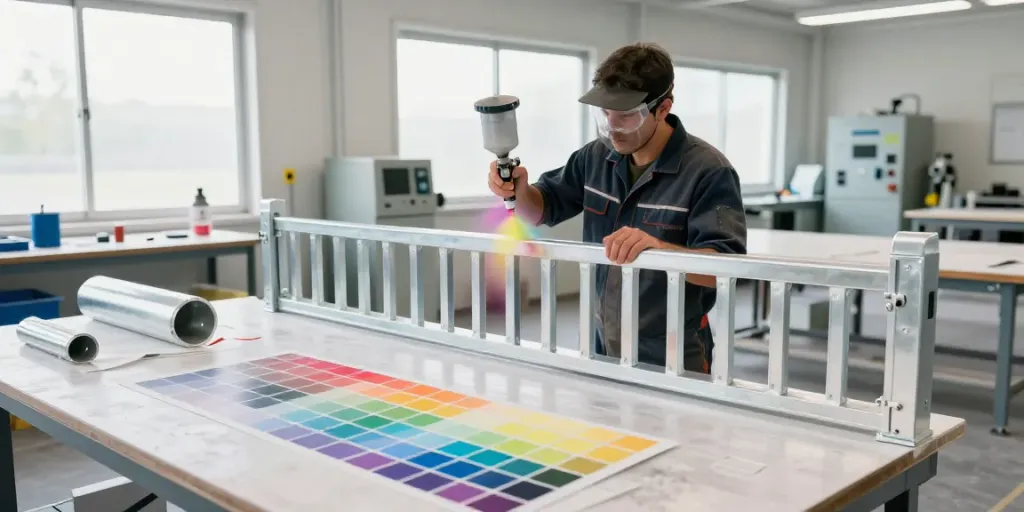
- Application: The powder is applied using specially designed electrostatic spray guns that create an even layer.
- Curing: The coated item is placed in an oven where the heat causes the powder to melt and cure, forming a solid bond to the surface.
Essential Equipment for Effective Powder Coating
For successful powder coating, having the right equipment is essential. This includes specialized tools designed to ensure efficient and high-quality finishes. Key pieces of equipment include:
Overview of Powder Coating Guns and Their Functions
Powder coating guns are designed to apply the powder evenly over the surface of the item being coated. They work by charging the powder particles with static electricity, which helps them adhere to the substrate. There are mainly two types of powder coating guns: manual and automatic. Manual guns are beneficial for smaller jobs or intricate designs, while automatic guns are ideal for high-volume production.
Choosing the Right Curing Oven for Your Needs
The curing oven is another critical component, as it influences the quality of the finish. The oven must provide consistent temperatures across all surfaces of the coated items. Options range from gas-fired ovens to electric models and can vary significantly in size and capacity, depending on the scale of operations.
Recommended Safety Equipment for Powder Coating
Safety is paramount in any manufacturing process, including powder coating. Essential safety gear includes:
- Protective Clothing: Long sleeves, gloves, and eyewear protect against powder inhalation and skin exposure.
- Respirators: Specifically designed masks can help filter out powder particles from the air.
- Ventilation Systems: Proper ventilation is critical to manage dust and ensure air quality in the workspace.
Best Practices for Achieving Quality Powder Coating
To ensure that the powder coating process yields the best results, it is essential to follow several best practices that focus on preparation, application, and maintenance.
Preparing Metal Surfaces: Cleanliness and Preparation Techniques
Effective surface preparation is vital for achieving strong adhesion and a flawless finish. Surfaces must be free of contaminants such as oil, dirt, and rust. Techniques include abrasive blasting, chemical cleaning, and phosphating, each serving to create an optimal surface profile for bonding.
Selecting the Right Powder: Color and Type Considerations
Choosing the appropriate powder is crucial. Consider factors such as the desired finish, application environment, and compatibility with the substrate. Consult manufacturer specifications and seek powders specifically formulated for the intended use.
Common Mistakes to Avoid in Powder Coating
While powder coating is a straightforward process, several common pitfalls can lead to defects in the finish. Avoid these mistakes:
- Inadequate Surface Preparation: Failing to prepare surfaces properly can lead to poor adhesion.
- Incorrect Powder Thickness: Applying too thick or too thin a layer can result in inconsistent coverage and finish quality.
- Insufficient Curing Time: Not allowing enough time for the powder to cure can compromise the finish.
Troubleshooting Common Powder Coating Issues
Even with careful attention to detail, issues can arise during the powder coating process. Here are some troubleshooting tips:
Identifying and Fixing Common Coating Defects
Common defects include orange peel, runs, and uneven gloss. Identifying the root causes—such as improper application settings or environmental conditions—can help in rectifying these issues. For instance, orange peel can often be attributed to insufficient powder thickness or incorrect curing temperatures.
How to Achieve a Consistent Finish Every Time
Achieving a consistent finish requires strict adherence to process protocols. Regularly maintain and calibrate equipment, and ensure the working environment is controlled to minimize dust and other contaminants.
Tips for Managing Environmental Factors during Application
Environmental conditions such as humidity and temperature can significantly affect the powder coating process. It’s essential to monitor these factors closely and adjust the application parameters accordingly. Installing air conditioning or dehumidifiers in the work area can mitigate negative effects.
Future Trends in Powder Coating for 2026 and Beyond
The powder coating industry is continually evolving, with advancements in technology and increasing demands for sustainability. As we look ahead, several trends are likely to shape the landscape of powder coating.
Innovations in Powder Coating Technology
Future innovations may include the development of new formulations that enhance performance characteristics such as scratch resistance and environmental stability. Additionally, advancements in application technology, such as more efficient electrostatic spray guns and automated systems, will streamline production and improve quality.
Sustainability Practices in the Powder Coating Industry
Sustainability is becoming increasingly important across all industries. The powder coating sector is expected to see a rise in the use of eco-friendly materials and processes, including powders derived from renewable resources and improved recycling methods for waste materials.
Predictions for Market Growth and Industry Changes
Market analysts forecast steady growth in the powder coating industry, driven by increased demand in sectors such as automotive, construction, and consumer goods. As manufacturers continue to prioritize durability and aesthetics in their products, powder coating is poised to maintain its relevance and importance in the industry.
Frequently Asked Questions
What does powder coating do?
Powder coating provides a protective and decorative finish for various materials, primarily metals, enhancing durability and resistance to environmental factors.
How can I improve the powder coating process?
Improvements can be achieved through meticulous surface preparation, choosing high-quality powders, ensuring proper application techniques, and adhering to curing protocols.
What are the common applications of powder coating?
Common applications include automotive parts, appliances, outdoor furniture, and architectural elements, where durability and aesthetics are critical.
How much does powder coating cost?
Costs can vary based on factors such as the size of the item, the type of powder used, and the complexity of the job. Generally, powder coating is competitive in pricing as compared to traditional liquid coatings.
Can I powder coat at home?
While it is possible to set up a home powder coating process with the right equipment, it requires careful attention to safety and environmental controls to achieve professional results.