Understanding the Role of CNC Stainless Steel Parts Suppliers
CNC (Computer Numerical Control) machining has revolutionized the manufacturing landscape, particularly in the production of stainless steel parts. With its ability to create precise and complex designs, CNC machining is essential for industries ranging from aerospace to medical devices. Suppliers of CNC stainless steel parts play a critical role in this process, as they provide the necessary expertise, technology, and materials to meet diverse manufacturing needs. When exploring options, cnc stainless steel parts suppliers can offer comprehensive insights that help businesses make informed choices.
What are CNC Stainless Steel Parts?
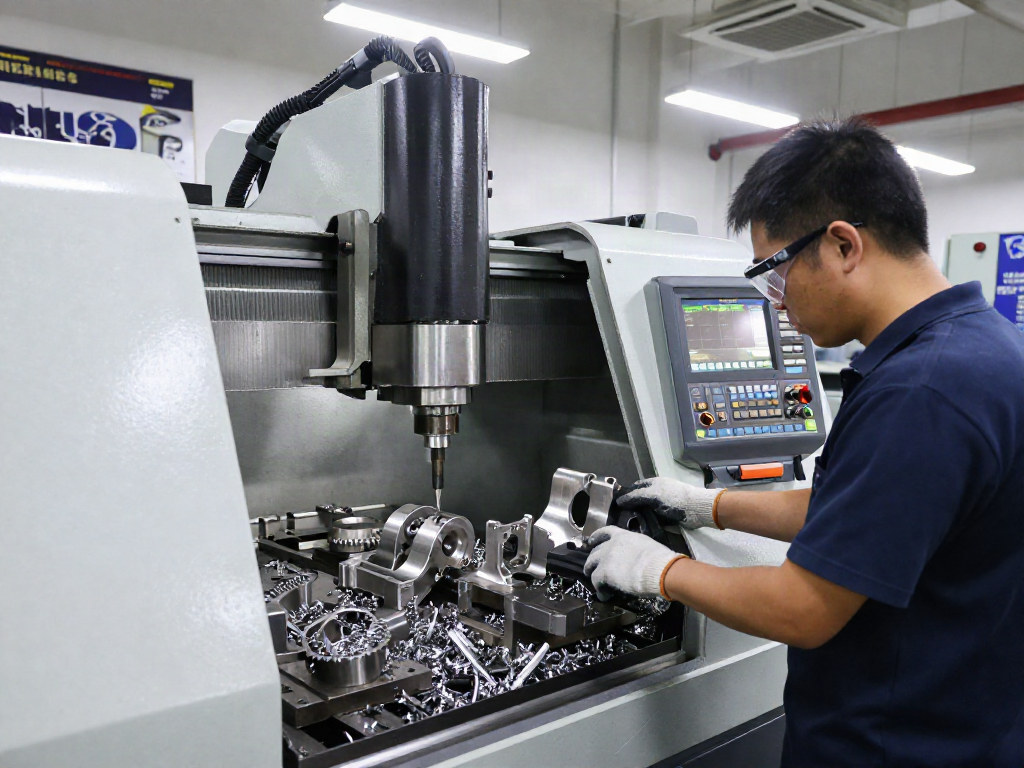
CNC stainless steel parts are components that have been manufactured using CNC machining techniques with stainless steel as the primary material. Stainless steel is favored for its strength, durability, and resistance to corrosion, making it an ideal choice for a wide range of applications. The CNC process allows for the production of highly intricate parts with tight tolerances, crucial in fields where precision is paramount.
Examples of CNC stainless steel parts include brackets, housings, heat sinks, and custom fittings. Each piece is designed to specifications provided by the client, ensuring that the final product meets the exact requirements for its intended use.
Importance of Reliable Suppliers in Manufacturing
The importance of reliable suppliers cannot be overstated in today's competitive market. A trusted CNC stainless steel parts supplier ensures consistent quality, timely delivery, and cost-effective pricing. They have the expertise to navigate the complexities of CNC machining, which involves choosing the right grade of stainless steel, programming CNC machines accurately, and understanding industry standards.
Moreover, reliable suppliers offer value-added services such as design assistance and prototyping. This collaboration can significantly reduce lead times and improve product development processes, giving manufacturers a competitive edge.
Benefits of Partnering with CNC Stainless Steel Parts Suppliers
Cost Efficiency and Production Speed
One of the primary benefits of partnering with CNC stainless steel parts suppliers is the ability to achieve cost efficiency without compromising on quality. Suppliers can leverage their economies of scale to offer competitive pricing on raw materials and machining services. Additionally, the CNC process itself is designed to minimize waste, reducing material costs.
Furthermore, the speed of CNC machining allows for rapid prototyping and production. Many suppliers can produce parts in a matter of days, which is crucial for industries that require quick turnaround times. This not only helps businesses meet tight deadlines but also accelerates time-to-market for new products.
Quality Assurance and Precision Engineering
Quality assurance is another crucial aspect of working with reputable CNC stainless steel parts suppliers. These suppliers often incorporate rigorous testing and inspection processes to ensure that each part meets the required specifications. Techniques such as coordinate measurement machines (CMM) and non-destructive testing are commonly employed to verify precision and integrity.
The focus on quality also extends to the choice of stainless steel grades and the machining processes used. Manufacturers can select from a variety of stainless steels, including 304, 316, and 410, each of which has unique properties suitable for specific applications.
Customization Options for Unique Applications
The flexibility of CNC machining allows suppliers to offer extensive customization options for stainless steel parts. This is particularly beneficial for industries with specific requirements or unique designs. Whether a client needs a part with intricate geometries or specific mechanical properties, suppliers can tailor their services accordingly.
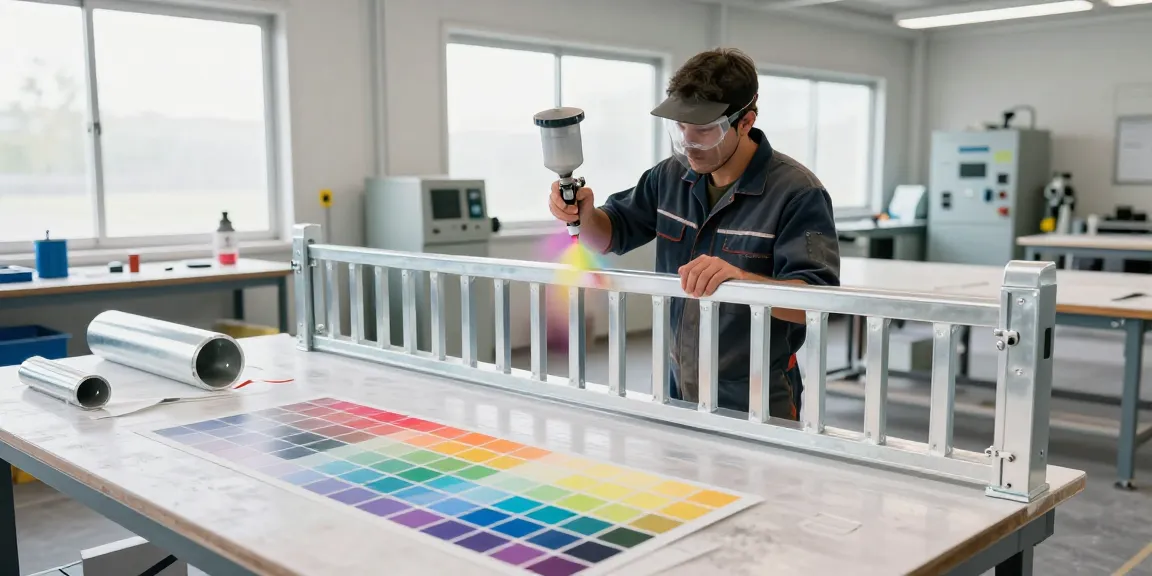
In addition to customization in design, suppliers often provide various finishing options, such as polishing, anodizing, or plating, which can enhance the performance and aesthetic of the final product.
Challenges in Sourcing CNC Stainless Steel Parts
Common Misconceptions About CNC Machining
Despite its advantages, there are several misconceptions about CNC machining that can hinder manufacturers from fully utilizing its potential. One common myth is that CNC machining is only suitable for high-volume production runs. In reality, CNC technology is highly adaptable and is equally effective for low-volume and one-off productions.
Another misconception is regarding the complexity of the design process. While it is true that CNC machining involves advanced technology, many suppliers offer design guidance and support, making it accessible for businesses of all sizes.
Supply Chain Issues and Solutions
Supply chain disruptions, particularly in a post-pandemic world, can pose challenges when sourcing CNC stainless steel parts. Factors such as material shortages, shipping delays, and fluctuating prices can impact production schedules. To mitigate these risks, manufacturers should build strong relationships with multiple suppliers and invest in local sourcing options where feasible.
Additionally, effective communication and transparency with suppliers can foster better collaboration and quicker resolutions in times of crisis.
Regulatory Compliance and Standards in Manufacturing
Manufacturers must also navigate various regulatory compliance requirements when sourcing CNC stainless steel parts. Different industries have specific standards that must be adhered to, such as ISO certifications or industry-specific regulations. Understanding these standards is essential to ensure that the parts produced are compliant and safe for use.
Working with experienced suppliers who are well-versed in these regulations can alleviate concerns and ensure that the manufacturing process aligns with all necessary compliance requirements.
Future Trends in CNC Stainless Steel Parts Manufacturing
Emerging Technologies in Precision Machining
As technology continues to evolve, so does the landscape of CNC manufacturing. Emerging technologies such as additive manufacturing and AI-driven automation are beginning to influence CNC machining processes. These innovations can enhance speed, reduce costs, and improve precision in producing stainless steel parts.
For example, integrating AI with CNC machines can optimize machining parameters in real time, resulting in faster production and minimized material waste. Additionally, additive manufacturing techniques can allow for the creation of complex structures that are not possible through traditional CNC methods.
Predictions for Market Growth by 2026
Market analysis suggests that the demand for CNC stainless steel parts will continue to grow significantly by 2026. As industries increasingly focus on advanced manufacturing techniques and automation, the need for precision-engineered parts is set to rise. This growth will be driven by sectors such as automotive, aerospace, and healthcare, where the demand for high-quality, reliable components is paramount.
Shifts in Industry Demands and Materials
There is also a notable shift towards sustainable practices in manufacturing, influencing the selection of materials and processes. Manufacturers are increasingly looking to use recycled stainless steel and other environmentally friendly materials in their production processes, aligning with global sustainability goals.
This shift not only meets consumer demand for greener products but also encourages suppliers to innovate in terms of sourcing and production methods to reduce their carbon footprint.
Best Practices for Working with CNC Suppliers
Effective Communication and Collaboration
Establishing effective communication channels with CNC stainless steel parts suppliers is vital for successful partnerships. Open lines of communication can facilitate collaboration, allowing both parties to discuss design requirements, timelines, and any potential issues that may arise during the production process.
Regular check-ins and updates can foster a collaborative environment, ensuring that projects remain on track and aligning expectations between manufacturers and suppliers.
Performance Metrics for Supplier Evaluation
To assess the effectiveness of a CNC stainless steel parts supplier, manufacturers should establish performance metrics. Key performance indicators (KPIs) may include delivery times, quality rates, cost management, and responsiveness to inquiries. Analyzing these metrics can help manufacturers select suppliers who consistently meet or exceed expectations.
Real-World Case Studies in Successful Partnerships
Examining case studies of successful partnerships can provide valuable insights into best practices when working with CNC suppliers. For example, a medical device manufacturer may find that partnering with a supplier who specializes in precision machining leads to improved product quality and regulatory compliance. These real-world examples reveal the tangible benefits of choosing the right partner for CNC stainless steel parts manufacturing.
What are the advantages of using CNC machining for stainless steel parts?
CNC machining offers several advantages for producing stainless steel parts, including high precision, repeatability, and the ability to create complex geometries efficiently.
How to find reliable CNC stainless steel parts suppliers?
Manufacturers can find reliable CNC stainless steel parts suppliers by researching potential partners, reviewing certifications, seeking referrals, and evaluating their track record in delivering quality products.
What challenges do manufacturers face when sourcing parts?
Challenges include supply chain disruptions, material shortages, compliance with industry standards, and maintaining quality throughout the manufacturing process.
What are the key trends in CNC machining for 2026?
Key trends include advancements in automation, the integration of AI technologies, and a greater emphasis on sustainability and material efficiency in manufacturing processes.
How can I assess the quality of CNC manufactured parts?
Quality can be assessed through inspection techniques, performance testing, and reviewing the supplier's quality assurance processes and certifications.